This guide explains milk cooling tanks and the main factors to consider when choosing a suitable system. For dairy farmers, milk collection centres and cooperatives, managing milk temperature is a critical part of maintaining quality after milking. A milk cooling tank in Kenya provides a dedicated solution for cooling and temporarily storing fresh milk under controlled conditions before collection or processing.
The right equipment can improve day-to-day milk handling, support hygiene procedures and help a dairy operation manage larger volumes more consistently. Buying a tank involves more than choosing a capacity: cooling performance, construction materials, cleaning arrangements and maintenance support all matter.
What Is a Milk Cooling Tank?
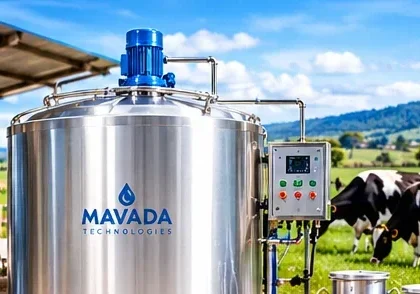
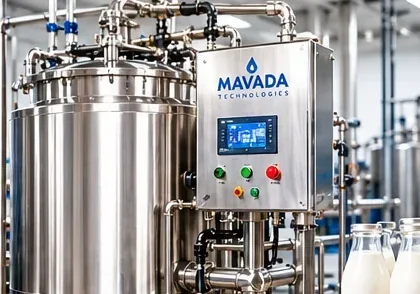
A milk cooling tank is a refrigerated vessel designed to reduce the temperature of fresh milk and maintain appropriate storage conditions. Most bulk milk coolers combine an insulated tank, refrigeration equipment, temperature controls and an agitator. Depending on the design, the equipment may include an automatic control panel and cleaning connections.
Why Dairy Farmers Need Milk Cooling Tanks
Better temperature management
Fresh milk needs appropriate handling immediately after milking. Prompt cooling helps slow the growth of many microorganisms that can compromise quality.
Improved milk handling
A dedicated tank provides a central storage point for milk awaiting collection or processing. This can simplify collection schedules, volume measurement, temperature monitoring and coordination with buyers.
Support for growing production
As milk output increases, farmers may need equipment capable of handling greater quantities while maintaining required cooling performance.
More organised collection operations
A collection centre can use a properly sized cooling tank to consolidate milk before transport, provided intake procedures, traceability, hygiene and cooling capacity are managed correctly.
Essential Features of a Good Milk Cooling Tank
Food-grade stainless steel
Check the material used for milk-contact surfaces. Stainless steel is commonly used because it can provide a durable, cleanable surface when properly fabricated and maintained. Ask the supplier to specify the grade, finish and construction details.
Efficient refrigeration
The cooling system should handle the intended milk volume under expected operating conditions. Do not judge performance by tank size alone. Request the manufacturer’s cooling-time specifications and the conditions under which they apply.
Proper insulation
Insulation helps reduce heat transfer from the environment, supporting temperature maintenance and potentially reducing unnecessary refrigeration demand.
Milk agitator
An agitator helps distribute temperature more uniformly when correctly designed and operated. Ask about construction, operating cycle and suitability for the tank capacity.
Temperature controls
A reliable control system allows operators to monitor and manage cooling. Confirm temperature display accuracy and whether the system includes alarms or safeguards.
Hygienic cleaning arrangements
Milk residues can support microbial growth if equipment is not cleaned effectively. The tank should have accessible surfaces, suitable drainage and a cleaning procedure consistent with manufacturer instructions.
Serviceability
Ask whether refrigeration components, seals, controls and replacement parts are available. Confirm service arrangements and warranty terms.
How Much Milk Can a Cooling Tank Handle?
Capacities range from small units to several-thousand-litre installations. A 300-litre tank may suit one operation, while a 1,000-litre or larger tank may be appropriate for a collection centre handling more milk.
Nominal tank capacity does not automatically establish how much fresh milk can be cooled within a particular time. Consider:
- Milk produced per milking and total daily intake.
- Temperature of milk on arrival.
- Time between deliveries.
- Whether new milk is added while previously cooled milk remains in the tank.
- Collection schedule and cleaning downtime.
- Expected future production growth.
Ask the supplier to verify that the proposed tank meets your operating requirements.
Milk Cooling Tank Prices in Kenya
Prices vary with capacity, construction, refrigeration performance and included accessories. As indicative examples, supplier listings reviewed for October 2026 have included some 100-litre models around KSh 280,000 and some 1,000-litre models around KSh 800,000. These are not guaranteed current prices; confirm all details directly with a supplier.
Request a quotation that identifies the tank model, usable capacity, cooling performance, materials, electrical requirements, transport, installation and warranty.
How to Maintain a Milk Cooling Tank
- Clean and sanitise the tank according to the approved operating procedure.
- Inspect milk-contact surfaces, seals, valves and drainage.
- Monitor temperature and investigate abnormal readings.
- Keep condenser and ventilation areas clear according to manufacturer instructions.
- Check the agitator and refrigeration system.
- Follow the recommended maintenance schedule.
- Use qualified technicians for refrigeration and electrical repairs.
- Keep records of cleaning, temperatures and servicing.
Cleaning procedures should suit the equipment and applicable dairy hygiene requirements. Refrigeration alone does not make contaminated milk safe.
Milk Chiller vs Milk Storage Tank
A refrigerated milk chiller actively cools milk and maintains temperature within its designed operating range. A conventional storage tank may simply hold milk without refrigeration. Confirm that the product is a properly rated bulk milk cooler if active cooling is required.
Frequently Asked Questions
What temperature should a milk cooling tank maintain?
A common target for refrigerated raw milk is around 4°C, subject to applicable requirements and the collection arrangement. Follow equipment specifications and relevant dairy hygiene guidance.
Are all stainless steel tanks suitable for milk?
No. Suitability depends on the material grade, fabrication quality, surface finish, cleanability and design of milk-contact components.
Should I buy a larger tank than I currently need?
A modest allowance for expected growth can be sensible, but an oversized tank may be an inefficient investment if production remains low. Consider both capacity and cooling performance.
Does the tank require professional installation?
Requirements depend on the model and site. Correct electrical connections, drainage, ventilation, positioning and commissioning are important for reliable operation.
Find the Right Milk Cooling Tank for Your Dairy Business
Contact Mavada Technologies to explore dairy cooling equipment for farms, cooperatives and collection centres. Share your daily milk volume, expected peak intake, installation location and preferred capacity.
Call or WhatsApp: 0758281922
Website: mavadatechnologies.co.ke/