This guide explains milk collection centre equipment and the main factors to consider when planning dairy equipment purchases. Milk collection equipment is an important consideration for businesses comparing suitable equipment and planning a reliable operation in Kenya. Setting up a milk collection centre can create an organised link between dairy farmers and milk processors. The success of the operation depends on more than collecting milk and finding buyers. The right dairy equipment in Kenya helps a centre manage milk intake, quality checks, cooling, storage and dispatch.
The most suitable setup depends on expected milk volume, buyer requirements, available utilities, transport arrangements and applicable licensing requirements.
What Does a Milk Collection Centre Do?
A milk collection centre receives milk from farmers, performs appropriate intake checks, manages cooling and storage, and coordinates collection or delivery to a processor. The facility must maintain hygienic conditions and follow applicable dairy handling requirements.
Essential Dairy Equipment for a Milk Collection Centre
1. Bulk milk cooler or milk chiller
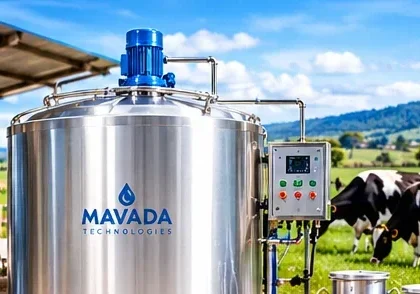
The bulk milk cooler is often one of the most important investments. It cools and temporarily stores milk under controlled conditions. Capacity should be based on daily intake, peak delivery periods and collection schedules.
2. Milk testing equipment
Appropriate testing equipment helps operators perform the checks required by intake procedures and buyers. Depending on the operation, this may include temperature measurement, acidity assessment, density testing or other approved quality checks. Tests and acceptance criteria should follow applicable standards and buyer requirements.
3. Milk collection cans and handling equipment
Food-contact milk cans and suitable handling equipment support organised intake and transfer. Choose equipment that can be cleaned effectively, withstand routine use and meet applicable hygiene requirements.
4. Stainless steel milk storage tanks
Depending on process design, a centre may need additional storage or transfer vessels. Ensure that each vessel is suitable for milk contact and supports cleaning, drainage and controlled handling. An ordinary storage tank is not the same as a refrigerated milk chiller.
5. Milk transfer pumps and hygienic piping
Larger operations may require suitable pumps, valves, hoses and piping to transfer milk between vessels. Milk-contact components should be designed for the application, cleaned correctly and maintained to prevent contamination.
6. Cleaning and sanitation equipment
Cleaning is essential in dairy operations. The facility needs a suitable procedure and the equipment, cleaning agents and water supply required to execute it safely and consistently. Larger facilities may need specialised clean-in-place arrangements.
7. Milk pasteuriser
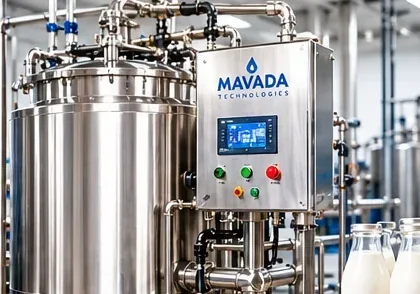
A pasteuriser may be required if the centre also processes milk rather than simply cooling and dispatching raw milk. Pasteurisation is a controlled heat-treatment process requiring appropriate equipment, operating controls and verification. It is not a function performed by an ordinary milk chiller.
8. Backup power and utility arrangements
Evaluate electrical reliability and backup-power arrangements. Plan for clean water, drainage, ventilation, equipment access and other utilities required by the installation.
How to Choose the Right Milk Chiller Capacity
Start with actual intake data. For example, a proposed centre expecting 800 litres per day should determine how much milk arrives during each collection period, how quickly it must be cooled and when the processor collects it.
A nominal 1,000-litre tank should not automatically be assumed to be the best solution. The refrigeration system must also handle incoming milk under expected conditions. If intake is spread across several periods, ask how new milk will be added while previously received milk is being cooled and stored.
Where growth is expected, compare the cost of a larger tank with the option of adding a second tank later.
How Much Does Dairy Equipment Cost in Kenya?
The total investment depends on the scale of the operation. A small collection point with a bulk milk cooler and basic testing equipment has a different budget from a facility with multiple tanks, automated transfer, pasteurisation and packaging.
Create a budget covering:
- Milk chiller or cooling tank.
- Milk testing equipment.
- Collection cans and transfer accessories.
- Pumps, valves and piping.
- Cleaning and sanitation equipment.
- Electrical installation and backup power where required.
- Facility preparation, drainage and storage.
- Transport, installation and commissioning.
- Licences, training and ongoing operating costs.
Obtain itemised quotations and compare capacity, specifications and installation scope—not just equipment prices.
How Can a Milk Collection Centre Make Money?
A centre’s revenue model depends on agreements with farmers and processors. Potential arrangements include earning a service or handling margin per litre, operating a cooperative-owned facility, or buying and selling milk under an agreed commercial model.
Profitability depends on milk volume, margins, transport, electricity, labour, cleaning, testing, equipment finance and losses. Prepare a financial projection using realistic intake figures and confirmed buyer arrangements.
Daily gross margin = daily litres handled × gross margin per litre. Subtract daily operating expenses and appropriate allocations for equipment finance, maintenance and other fixed costs. Gross margin is not net profit.
Important Compliance Considerations
Milk collection and processing operations must follow applicable Kenyan dairy, food-safety, public-health and county requirements. Before opening, confirm relevant licensing requirements with the Kenya Dairy Board and other competent authorities for your specific operation.
Plan for suitable premises, hygienic handling, cleaning, traceability, staff training and required quality controls. If the centre will pasteurise, package or retail milk, additional requirements may apply.
Common Mistakes When Starting a Milk Collection Centre
- Buying the wrong tank size: Base the decision on peak intake and cooling performance, not only daily averages.
- Ignoring power reliability: Plan for outages that could interrupt cooling.
- Underestimating operating expenses: Include cleaning, electricity, testing, transport and maintenance.
- Buying incompatible equipment: Ensure pumps, pipes, tanks and cleaning procedures work together.
- Starting without a buyer arrangement: Understand collection schedules, quality requirements and payment terms before committing substantial capital.
- Ignoring after-sales support: Confirm access to technicians and replacement parts.
Frequently Asked Questions
What equipment do I need to start a milk collection centre in Kenya?
Typical requirements include a suitable bulk milk cooler, appropriate milk testing equipment, hygienic collection cans, cleaning supplies and necessary facility and utility arrangements. Larger operations may need pumps, storage vessels and processing equipment.
Is a milk chiller enough to start a dairy processing business?
No. A milk chiller cools and stores milk; it does not replace pasteurisation, packaging or other processing equipment where those activities are required.
How do I determine the correct tank size?
Estimate daily intake, peak delivery volumes, time between collections and required cooling performance. Ask the supplier to validate the proposed capacity.
Should a new collection centre buy a pasteuriser immediately?
Only if processing is part of the business plan and the market, technical and compliance requirements justify the investment.
Get Dairy Equipment for Your Milk Collection Centre
Mavada Technologies can help you explore dairy equipment and milk cooling solutions for farms, collection centres and growing dairy operations. Share your expected daily milk intake, project location and whether you need collection, cooling or processing equipment to discuss a suitable configuration.
Call or WhatsApp: 0758281922
Website: mavadatechnologies.co.ke/