Milk Pasteurizers in Kenya Prices, Benefits and How to Choose the Right Machine
The dairy industry in Kenya offers opportunities for farmers, milk traders, cooperatives, and dairy-processing businesses. As demand for properly processed and safely handled milk continues to create opportunities, investing in the right dairy equipment can help businesses improve efficiency and product quality.
Milk pasteurizers in Kenya are essential equipment for dairy businesses that want to heat milk under controlled conditions to reduce harmful microorganisms and improve its safety. Whether you operate a small dairy shop, a milk collection centre, or a commercial dairy-processing plant, choosing the right pasteurizer is an important step towards building an efficient operation.
At Mavada Technologies, we help businesses explore dairy equipment solutions suited to their processing needs and production capacity.
What Is a Milk Pasteurizer?
A milk pasteurizer is a machine that heats milk to a specified temperature for a defined period, followed by appropriate cooling. This process helps destroy harmful microorganisms while preserving the milk’s quality when properly performed.
Pasteurization is widely used in commercial dairy processing and should be carried out using suitable equipment and validated time-and-temperature controls.
Milk pasteurizers are useful for:
- Dairy farmers processing milk for sale
- Milk bars and dairy shops
- Milk collection centres
- Dairy cooperatives
- Milk-processing companies
- Hotels and institutions handling dairy products
Benefits of Using a Milk Pasteurizer in Kenya
1. Improved Milk Safety
Proper pasteurization reduces harmful microorganisms that may be present in raw milk. The milk must still be handled hygienically and protected from contamination after treatment.
2. Extended Usable Shelf Life
Pasteurization can help extend milk’s usable shelf life compared with untreated milk when combined with appropriate cooling, hygienic packaging, and storage. The actual shelf life depends on processing conditions and the distribution chain.
3. Better Dairy Processing Efficiency
A suitable pasteurizer allows a dairy business to process milk using controlled heating conditions, making production more consistent and manageable.
4. Support for Business Growth
As demand increases, dairy businesses may need equipment that can handle larger volumes. Selecting a pasteurizer with appropriate capacity can help support expansion into retail supply, institutional customers, and wider distribution.
5. Consistent Processing
Equipment with accurate temperature monitoring and suitable controls helps operators follow established pasteurization procedures more consistently.
Types of Milk Pasteurizers Available
Different dairy businesses require different pasteurization systems.
1. Batch Milk Pasteurizers
Batch pasteurizers process a quantity of milk at a time. They are often suitable for smaller dairy businesses and operations that produce milk in separate batches.
Potential advantages include straightforward operation and flexibility for businesses with moderate production volumes.
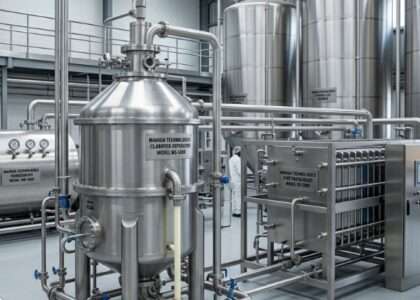
2. Plate Heat Exchanger Pasteurizers
Plate heat exchangers are commonly used in larger dairy-processing operations. Milk passes through a system of plates that transfer heat efficiently, supporting continuous processing.
These systems may be suitable for businesses with higher production requirements.
3. Automatic Milk Pasteurizers
Automatic pasteurizers incorporate controls that help regulate processing parameters. Depending on the model, features may include temperature monitoring, automated control sequences, and safety mechanisms.
When comparing models, verify which features are included and whether the system meets your production and compliance requirements.
How Much Does a Milk Pasteurizer Cost in Kenya?
The price of a milk pasteurizer in Kenya varies according to capacity, technology, construction, automation, and included accessories.
Factors affecting the cost include:
- Processing capacity in litres per hour or litres per batch
- Heating method and energy requirements
- Cooling system
- Stainless steel construction and food-contact materials
- Temperature-control and monitoring features
- Installation and commissioning
- Warranty and after-sales support
- Availability of spare parts
A small batch pasteurizer will generally have different cost requirements from a high-capacity commercial processing system.
Before purchasing, request a quotation that clearly states the machine’s capacity, included components, installation requirements, warranty, and maintenance arrangements.
Contact Mavada Technologies to discuss your requirements and explore suitable dairy-processing equipment.
How to Choose the Right Milk Pasteurizer
Determine Your Production Capacity
Estimate how many litres of milk you intend to process daily. Consider your current demand as well as potential future growth.
Consider Your Power Supply
Check the machine’s electrical requirements, heating method, and operating costs. Ensure your premises can support the selected equipment.
Check Temperature Control
Accurate temperature measurement and appropriate process controls are essential for reliable pasteurization. Ask about temperature recording, alarms, and validation of the processing cycle.
Evaluate Cleaning Requirements
Dairy equipment must be cleaned and sanitized appropriately. Consider whether the machine supports convenient cleaning and whether cleaning procedures are clearly documented.
Ask About Installation and Maintenance
Choose equipment with clear installation requirements and access to technical support, spare parts, and maintenance services.
Consider the Complete Processing Setup
A pasteurizer may need to work alongside milk storage tanks, cooling equipment, pumps, piping, and packaging equipment. Assess the complete workflow before making your purchase.
Is a Milk Pasteurizer a Good Investment?
A milk pasteurizer can be a valuable investment for a dairy business that has reliable milk supplies, sufficient customer demand, and a suitable processing plan.
Potential revenue depends on the quantity processed and sold, selling price, milk procurement costs, packaging, labour, energy, transport, maintenance, and other expenses.
Before investing, calculate your expected production volume and operating costs. Confirm that the proposed equipment can meet applicable food-safety and dairy-sector requirements.
Important Milk Pasteurization and Hygiene Practices
Purchasing a pasteurizer is only one part of producing safe milk. Businesses should also:
- Source milk from reliable suppliers.
- Assess incoming milk quality.
- Follow validated time-and-temperature requirements.
- Cool pasteurized milk promptly and maintain the required cold chain.
- Prevent contact between raw and pasteurized milk.
- Use hygienic containers and packaging.
- Maintain cleaning, processing, and temperature records.
- Comply with applicable Kenyan food-safety and dairy regulations.
Pasteurization does not make milk sterile. Proper refrigeration and hygienic handling remain essential.
Why Choose Mavada Technologies for Dairy Equipment?
Mavada Technologies helps dairy entrepreneurs and established businesses explore equipment solutions suited to their operations.
Whether you need a batch pasteurizer for a small dairy business or a higher-capacity system for commercial processing, selecting the right equipment starts with understanding your production targets, available resources, and processing requirements.
Our goal is to help you identify practical equipment options for your dairy business.
Get the Right Milk Pasteurizer for Your Business
Investing in suitable dairy equipment can help you establish a more efficient milk-processing operation. With appropriate equipment, trained operators, proper hygiene, and effective quality control, your business can work towards producing consistently processed milk for its target market.
Looking for milk pasteurizers in Kenya? Contact Mavada Technologies to discuss your production capacity, equipment requirements, and dairy-processing goals.