Are you searching for the milk chiller price in Kenya because you want to protect your milk, establish a collection centre or expand your dairy business?
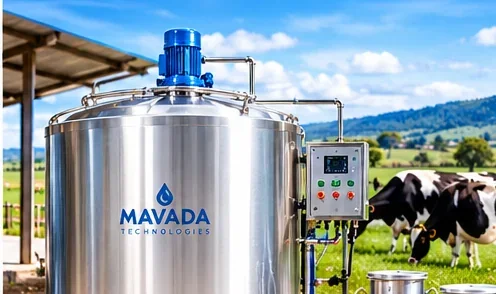
A milk chiller, also known as a milk cooling tank or bulk milk cooler, is essential equipment for dairy operations that need to cool and temporarily store fresh milk before collection or processing. Capacity, cooling performance, construction quality, power supply, cleaning requirements and after-sales service should all influence your decision.
How Much Does a Milk Chiller Cost in Kenya?
Milk chiller prices depend on tank capacity, refrigeration equipment, materials, design and supplier. The following are indicative example prices reported in supplier listings and should be independently confirmed before purchase. They are not guaranteed quotations or a promise of current availability.
| Milk chiller capacity | Example advertised price |
|---|---|
| 100 litres | KSh 280,000 |
| 200 litres | KSh 300,000 |
| 300 litres | KSh 330,000 |
| 500 litres | KSh 450,000 |
| 700 litres | KSh 650,000 |
| 1,000 litres | KSh 800,000 |
Actual prices may differ by model, specification, delivery and installation. Confirm whether a quotation includes transport, installation, commissioning, applicable taxes, warranty and operator training.
Which Milk Chiller Capacity Should You Buy?
100-litre milk chiller
A smaller unit may suit a dairy operation handling relatively low volumes. Confirm usable capacity, daily milk volume and whether the cooling system can handle the actual quantity and temperature of incoming milk.
200-litre to 300-litre milk chiller
These capacities may suit growing farms, small collection operations and businesses with modest milk volumes. Consider how much milk arrives per milking and whether it comes in several batches.
500-litre milk chiller
A 500-litre tank may suit a medium-sized dairy operation or collection point handling higher daily volumes. The correct choice depends on delivery schedules, peak intake and documented cooling performance.
700-litre to 1,000-litre milk chiller
Larger tanks may suit established farms, milk collection centres and cooperative operations. At these volumes, power supply, refrigeration performance, cleaning and service support become especially important.
Larger milk cooling tanks
Operations handling several thousand litres may need larger bulk milk coolers or multiple tanks. Size the project around actual intake, collection schedules and expansion plans.
What Determines the Price of a Milk Cooling Tank?
- Tank capacity: Larger tanks generally require more materials and refrigeration capacity.
- Stainless steel construction: Confirm the food-contact material grade and construction specification.
- Cooling performance: The refrigeration system must cool the intended volume under expected conditions.
- Agitator: Proper agitation can support temperature uniformity when correctly designed.
- Insulation: Suitable insulation reduces heat gain.
- Cleaning system: Check whether the tank is manually cleaned or supports clean-in-place arrangements.
- Power requirements: Confirm voltage, phase, electrical protection and backup-power needs.
- After-sales service: Check technician availability, spare parts and maintenance support.
Why Is Milk Chilling Important?
Fresh milk is highly perishable. Prompt cooling and appropriate storage temperatures help slow microbial growth and preserve quality. A common operational target for refrigerated raw milk is around 4°C, subject to applicable requirements, the collection arrangement and the tank manufacturer’s guidance.
Cooling time depends on incoming milk temperature, volume, equipment capacity and operating conditions. Ask the supplier for documented performance specifications. A milk chiller does not replace pasteurisation or other required food-safety controls.
How to Choose the Best Milk Chiller in Kenya
- Calculate daily milk production and peak intake.
- Confirm how quickly incoming milk must be cooled.
- Check electricity reliability and backup-power options.
- Review cleaning and sanitation requirements.
- Ask for documented cooling performance.
- Confirm installation, technical support and warranty.
- Compare the complete delivered and installed cost.
Can a Milk Chiller Help Grow a Dairy Business?
A properly selected chiller can help a farm or collection centre improve milk handling and support a more organised supply operation. The financial benefit depends on milk volumes, buyer requirements, operating expenses, electricity reliability, transport arrangements and the price paid for milk. Calculate expected benefits against the purchase cost before investing.
Frequently Asked Questions
What is the price of a 500-litre milk chiller in Kenya?
Some supplier listings have advertised 500-litre models around KSh 450,000, but actual prices vary. Confirm the current quotation, model and inclusions directly with the supplier.
Which milk chiller size is best for a small dairy farmer?
It depends on daily production, peak intake and collection timing. A 100L, 200L or 300L model may suit some small operations, but actual volumes should determine the final choice.
Does a milk chiller pasteurise milk?
No. A milk chiller cools milk. Pasteurisation requires a separate validated heat-treatment process or suitable integrated processing equipment.
Can milk chillers operate without electricity?
Conventional electric milk chillers require a suitable power supply. Backup power or alternative energy arrangements must be specifically assessed and designed.
Buy a Milk Chiller in Kenya
Looking for a milk cooling tank for your farm, cooperative or collection centre? Contact Mavada Technologies to discuss suitable milk chiller capacities for your operation. Provide your expected daily milk volume, location and preferred tank capacity to request a quotation.
Call or WhatsApp: 0758281922
Website: mavadatechnologies.co.ke/
Related Dairy Equipment Guides
Before choosing a chiller, compare related equipment and setup requirements: