Is a Water Vending Business Profitable in Kenya?
Starting a water vending business in Kenya can be an attractive opportunity for entrepreneurs looking for a business that serves a daily essential need. Clean and affordable drinking water is in demand in residential areas, estates, towns, institutions, and commercial centres.
But is a water vending business actually profitable in Kenya?
Yes, it can be profitable — but profitability depends heavily on location, water demand, operating costs, equipment, pricing, and proper business management.
In this guide, we explore how the water vending business works, what you need to get started, and the factors that can determine whether your investment becomes a profitable business.
What Is a Water Vending Business?
A water vending business involves treating or sourcing water that meets the required quality standards and selling it to customers, usually by volume.
A typical water vending station may offer:
Drinking water refilling
20-litre container refills
Water delivery
Bottle refilling
Commercial water supply
Branded water packaging
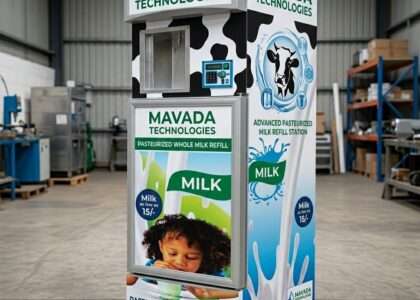
Some entrepreneurs operate a simple manual water vending station, while others invest in automated or semi-automated vending machines.
Why Water Vending Can Be Profitable in Kenya
Water is a basic necessity, which creates consistent demand in many parts of the country.
In areas where residents have limited access to reliable, affordable, or trusted drinking water, water vending stations can provide a convenient alternative.
A well-positioned water vending business can attract customers such as:
Households
Offices
Restaurants
Schools
Hotels
Salons and businesses
Shops
Institutions
Events and functions
The key is not simply selling water. The business must provide safe, reliable, convenient, and reasonably priced water.
How Much Can a Water Vending Business Make?
There is no single figure that applies to every water vending business.
Your potential revenue depends primarily on:
Daily litres sold × price per litre × operating days
For example, suppose a business sells 2,000 litres per day at an average selling price of KSh 3 per litre.
That would give:
2,000 × KSh 3 = KSh 6,000 per day
Over 30 days:
KSh 6,000 × 30 = KSh 180,000 in gross sales
However, this is gross revenue, not profit.
The business still needs to pay for expenses such as rent, electricity, water, treatment, packaging, transport, maintenance, staff, licences, and other operating costs.
This is why entrepreneurs should calculate their net profit rather than focusing only on daily sales.
What Determines Profitability?
- Location
Location is one of the most important factors.
A water vending station located in an area with many households and limited access to affordable drinking water may have significantly higher demand than one located in an area with little foot traffic.
Before setting up, study:
Number of households
Existing water vendors
Competitor prices
Availability of piped water
Population density
Accessibility
Security
Parking and loading space
Potential for water deliveries
A good machine in the wrong location can struggle, while a modest setup in the right location can attract consistent customers.
- Water Quality
Customers want water they can trust.
Investing in appropriate purification equipment and maintaining good hygiene can help build customer confidence and repeat business.
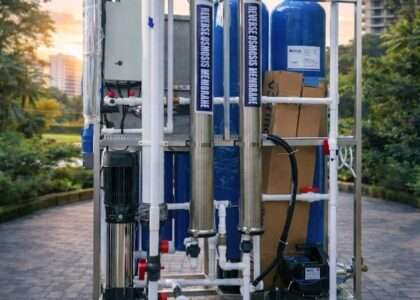
Depending on the quality of the source water, a business may require treatment technologies such as:
Reverse Osmosis (RO)
Ultrafiltration
Sediment filtration
Activated carbon filtration
UV treatment
Other appropriate disinfection systems
The correct treatment system should be selected based on the quality of the source water.
- Equipment
Your equipment determines how efficiently you can produce and dispense water.
A water vending setup may include:
Water purification system
Storage tanks
Water vending machine
Pumps
Filtration equipment
Filling station
Packaging equipment
Delivery equipment
The appropriate setup depends on your target market and expected daily production.
- Operating Costs
Revenue alone does not make a business profitable.
You should calculate expenses including:
Rent + water + electricity + treatment materials + labour + maintenance + transport + packaging + licences + marketing
Understanding these costs helps you determine how much you actually earn from every litre sold.
Can a Small Water Vending Business Be Profitable?
Yes, a small setup can generate income if it has sufficient demand and is managed properly.
Many entrepreneurs start with a relatively simple water vending setup and expand as their customer base grows.
You could begin by serving nearby households and gradually introduce:
Water delivery
20-litre container services
Office water supply
Institutional customers
Event water supply
Branded water
Additional vending points
Growth does not always require opening another shop immediately. Increasing your average customer value can also improve profitability.
Water Delivery Can Increase Revenue
A water vending business does not have to depend entirely on walk-in customers.
Offering delivery can create another source of revenue.
For example, you can target:
Apartments
Offices
Restaurants
Schools
Hotels
Construction sites
Events
Shops
Customers may be willing to pay an additional delivery fee for convenience.
This can help a water business generate revenue beyond the physical vending station.
How Much Money Do You Need to Start?
The startup investment varies significantly depending on the type and capacity of equipment you choose.
A small water vending operation will require a different investment from a larger purification plant supplying thousands of litres per day.
Your budget may need to cover:
Water purification equipment
Water storage tanks
Water vending equipment
Premises and renovations
Plumbing and electrical installation
Licences and compliance requirements
Branding and signage
Packaging containers
Marketing
Working capital
Instead of choosing equipment based only on price, consider the expected demand and your long-term business goals.
Is Water Vending Better Than Selling Bottled Water?
These are different business models.
Water vending can allow customers to bring their own containers for refilling, which can reduce packaging requirements.
Bottled water, on the other hand, involves additional processes such as bottles, labels, packaging, storage, and distribution.
The appropriate model depends on your target customers, available capital, location, and business strategy.
Some businesses can combine both models to serve different markets.
Common Mistakes to Avoid
Choosing a Location Without Research
Do not rent a shop simply because the rent is cheap. Investigate demand first.
Buying Equipment Without Considering Capacity
A machine should match your expected production and sales volumes.
Ignoring Water Testing
Never assume that source water is suitable for drinking without proper assessment and appropriate treatment.
Focusing Only on Equipment
A water vending machine is an investment, but it does not automatically create customers. Marketing, location, service, hygiene, and customer retention are equally important.
Forgetting Maintenance
Filters, pumps, membranes, electrical components, and other equipment require maintenance. Plan for these costs from the beginning.
So, Is Water Vending Profitable in Kenya?
A water vending business can be profitable in Kenya when it is built around strong demand, suitable equipment, proper water treatment, controlled operating costs, and effective customer acquisition.
The biggest mistake is looking at water vending as a business where you simply buy a machine and start making money.
The machine is only one part of the business.
Location + Water Quality + Equipment + Pricing + Marketing + Customer Service + Cost Management = Business Performance
Before investing, conduct market research in your target area and prepare a realistic financial projection based on expected litres sold per day.
Start Your Water Vending Business with Mavada Technologies
If you are considering starting a water vending business in Kenya, Mavada Technologies can help you explore equipment options suitable for your business requirements.
From water purification systems to vending solutions, the right equipment can help you establish a professional and efficient water business.
Whether you are starting small or planning a larger commercial water operation, speak to Mavada Technologies about your water vending equipment requirements.
Looking to start a water vending business in Kenya? Contact Mavada Technologies and plan your setup around your market, capacity, and budget.