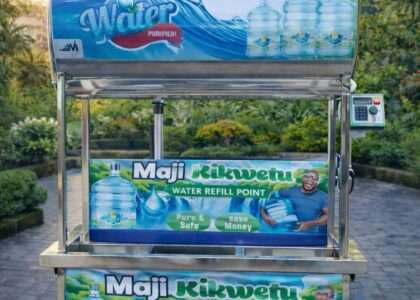
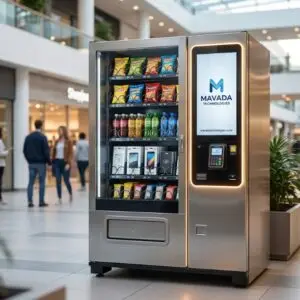
Ensuring your operates smoothly is crucial for sustained profitability and customer satisfaction. Regular maintenance and prompt troubleshooting are not just good practices; they are essential for delivering safe, clean water across Kenyan communities, from the bustling streets of Nairobi to the coastal calm of Mombasa and the agricultural hubs of Nakuru. This comprehensive guide from Mavada Technologies provides expert insights into keeping your water refilling station in top condition, enhancing its lifespan and ensuring pure water delivery.
Water ATM maintenance is an important consideration for businesses comparing suitable equipment and planning a reliable operation in Kenya.
Why Water Vending Machines are Essential for Kenya’s Growth
Water scarcity and the demand for affordable, clean drinking water make
water vending machines in Kenya an invaluable asset. These automated units, often integrated with M-Pesa payment systems, provide convenient access to purified water, supporting businesses and livelihoods in urban and rural settings alike. Whether it’s a
Pure Water Vending Machine in Kisumu or a sophisticated
Water ATM Station in Eldoret, these machines play a pivotal role in public health and economic development.
For entrepreneurs, a well-maintained
water refilling machine guarantees consistent revenue. For communities, it ensures a reliable source of potable water, a fundamental need. Understanding the mechanics and upkeep of these systems, especially locally engineered ones, is key to their long-term success across Kenya.
Understanding Your Water Vending Machine Kenya: Key Components
Before diving into maintenance, it’s vital to grasp the core components of your
water vending machine Kenya. Knowing these parts helps in effective troubleshooting and preventative care.
- Purification System: This is the heart of your machine, often featuring Reverse Osmosis (RO), UV sterilization, sediment filters, and carbon filters. It ensures the water dispensed is pure and safe for consumption.
- Vending Mechanism: This handles transactions. It can be a coin operated water vending machine system, integrated with M-Pesa, or smart card readers.
- Water Storage Tanks: Both raw water and purified water tanks are crucial. The purified tank ensures a ready supply for dispensing.
- Pumps and Piping: High-pressure pumps drive water through purification, while delivery pumps send water to the tap. The piping network connects all components.
- Control Unit: The brain of the machine, managing purification cycles, payment systems, dispensing, and diagnostics.
Essential Routine Maintenance for Water Vending Machine Kenya
Proactive maintenance extends the life of your
water vending machine Kenya and prevents costly breakdowns. Mavada Technologies recommends a structured approach to upkeep.
Daily Checks for Optimal Performance
- Visual Inspection: Check for any leaks, visible damage, or signs of tampering. Ensure the area around the machine is clean.
- Water Quality Check: A quick visual check for clarity. If possible, use a basic TDS meter to monitor purified water quality.
- Payment System Verification: Test the coin slot or M-Pesa integration to ensure it’s functional and accepting payments correctly.
- Tank Levels: Confirm adequate raw water supply and sufficient purified water in the storage tank.
- Cleanliness: Wipe down dispensing nozzles and exterior surfaces to maintain hygiene and customer confidence.
Weekly Maintenance Tasks
- Filter Backwash/Rinse: If applicable, backwash sediment and carbon filters to remove accumulated impurities and prolong their life.
- UV Lamp Check: Ensure the UV lamp is working. Some machines have indicators. Replace if faulty.
- System Pressure Monitoring: Check pressure gauges for RO systems. Deviations can indicate filter clogging or pump issues.
- Sanitation of Dispensing Area: Use food-grade sanitiser to clean the interior of the dispensing chamber and nozzle.
- Data Log Review: For smart vending machines, review sales data and error logs for emerging patterns.
Monthly & Quarterly Servicing
- Pre-Filter Replacement: Replace sediment and carbon pre-filters. The frequency depends on water quality and usage, but typically monthly or quarterly. This is critical for the lifespan of your RO membrane.
- RO Membrane Flush/Clean: Perform a routine flush of the RO membrane. Specialized cleaning might be required based on water hardness.
- Check Electrical Connections: Ensure all wiring is secure and free from corrosion. This is especially important in high-humidity areas like Mombasa.
- Pump Inspection: Listen for unusual noises. Check for leaks around pump seals. Lubricate moving parts if recommended by the manufacturer.
- Tank Cleaning: Periodically drain and clean purified water storage tanks to prevent biofilm buildup.
Annual Comprehensive Servicing
- RO Membrane Replacement: Typically, RO membranes need replacement every 1-3 years, depending on water quality and maintenance. This is a significant cost but vital for pure water.
- Post-Carbon Filter Replacement: Replace the post-carbon filter for taste and odor removal.
- Full System Calibration: Recalibrate TDS meters, flow sensors, and payment systems.
- Structural Integrity Check: Inspect the machine’s casing, seals, and supports for wear and tear, critical for machines in busy cities like Nairobi or Eldoret.
- Software Updates: For Smart Water Vending Machines or Mpesa Water ATMs, ensure software is up to date for security and feature enhancements.
Common Troubleshooting Guide for Water Vending Machine Kenya Operators
Even with diligent maintenance, issues can arise. Here’s a quick troubleshooting guide for common problems encountered with
water vending machine Kenya units.
No Water Dispensing After Payment
- Check Water Supply: Ensure the raw water tank is not empty and the main water valve is open.
- Power Supply: Confirm the machine is powered on and there are no tripped breakers.
- Payment System Error: Verify the payment was successful. For M-Pesa, check the transaction confirmation. For coin machines, check for jammed coins.
- Pump Failure: Listen for pump operation. If no sound, check pump motor or electrical connections.
- Clogged Filters: Heavily clogged pre-filters or RO membrane can significantly reduce water flow, leading to no dispense.
- Sensor Malfunction: Dispensing sensors or float switches in the purified water tank might be faulty.
Poor Water Quality (Taste, Odor, High TDS)
- Exhausted Filters: The most common cause. Replace pre-filters (sediment, carbon) and post-carbon filters.
- RO Membrane Failure: If TDS levels are high, the RO membrane is likely compromised. Replace it.
- UV Lamp Malfunction: If water tastes off or there’s bacterial contamination risk, check and replace the UV lamp.
- Tank Contamination: Clean and sanitize both raw and purified water storage tanks.
- Bypass Valve Open: Ensure no bypass valve is inadvertently allowing unfiltered water into the system.
Payment System Issues (M-Pesa, Coin Jams)
- M-Pesa Integration Problems:
- Network Connectivity: Check the machine’s internet or GSM signal.
- M-Pesa Till Number: Confirm the till number is correctly configured and active.
- Software Glitches: Restart the vending machine. If issues persist, contact your supplier.
- Coin Operated Water Vending Machine Jams:
- Clear Obstructions: Carefully remove any foreign objects or jammed coins from the coin slot and validator.
- Calibrate Coin Validator: Recalibrate the validator if it’s consistently rejecting valid coins.
- Clean Validator: Dust and grime can interfere with coin recognition.
Leaks and Drips
- Loose Fittings: Tighten any loose pipe connections or fittings.
- Damaged Hoses/Pipes: Inspect hoses and pipes for cracks or punctures and replace as needed.
- O-Ring/Gasket Failure: Worn-out O-rings or gaskets in filter housings or pump connections are common culprits. Replace them.
- Cracked Filter Housings: Inspect filter housings for hairline cracks, especially after filter changes.
Power Supply Problems
- No Power: Check the main power switch, circuit breaker, and fuse box.
- Fluctuations: Use a surge protector. In areas with unstable power, consider a voltage stabilizer or UPS.
- Internal Wiring: If all external power sources are fine, internal wiring might be faulty; this requires a technician.
Low Water Flow Rate
- Clogged Filters: As mentioned, blocked pre-filters or a fouled RO membrane will drastically reduce flow.
- Low Inlet Pressure: Ensure adequate municipal water pressure or check the booster pump if using a well.
- Kinked Hoses: Check all water lines for kinks or obstructions.
- Faulty Pump: A weak or failing pump can’t maintain sufficient pressure for optimal flow.
- Sediment in Dispensing Nozzle: Clean the dispensing nozzle to remove any blockages.
For persistent or complex issues with your
water vending machine Kenya, especially for units in critical locations like Mombasa or Kisumu, it’s always best to contact experienced technicians. Call Mavada Technologies at
0758 281922 for expert support across Kenya.
Investing in a Reliable Water Vending Machine Kenya: Pricing & Options
The
water vending machine price in Kenya varies significantly based on capacity, purification technology, automation features, and the number of taps. Mavada Technologies offers a range of high-quality solutions designed for the Kenyan market.
Factors Affecting Water Vending Machine Price in Kenya
- Capacity: Larger machines designed for higher daily output will naturally cost more.
- Purification Stages: RO systems with multiple filtration stages are more expensive than simpler UV-only units.
- Automation & Payment: Smart Water Vending Machines with M-Pesa integration, remote monitoring, and advanced sensors will command a higher price than basic coin operated water vending machine price in Kenya.
- Number of Taps: A 1-tap Water Refilling Machine will be less costly than a 2-tap or 3-tap system.
- Build Quality: Robust, locally engineered machines built to withstand Kenyan conditions offer better long-term value.
Based on market analysis, the
water vending machine price in Kenya generally ranges from
KES 90,000 for a single-tap basic unit to
KES 140,000 and above for advanced multi-tap, M-Pesa enabled water ATM stations. For those looking for a
small water refilling machine price in Kenya, options start at the lower end of this range. Mavada Technologies provides transparent pricing and flexible payment options for businesses in Nairobi, Nakuru, and across the nation.
Our product range includes:
- Water ATM Stations: High-capacity units for busy areas.
- Smart Water Vending Machines: Featuring remote monitoring and M-Pesa integration.
- RO Water Dispensers: Advanced purification for superior water quality.
- Mpesa Water ATMs: Seamless digital payment solutions.
- Water Refill Stations: Convenient and accessible water points.
- Drinking Water ATMs: Focused on public access to safe drinking water.
- Pure Water Vending Machines: Ensuring the highest purity standards.
Why Choose Mavada Technologies for Your Water Vending Machine Kenya Needs?
Mavada Technologies is Kenya’s trusted partner for superior water vending solutions. We don’t just sell machines; we provide comprehensive support to ensure your business thrives.
- Locally Engineered Solutions: Our machines are designed specifically for Kenyan businesses, considering local water conditions and operational environments.
- Full Installation Support: We offer professional installation services across Kenya, including Nairobi, Mombasa, Kisumu, Nakuru, and Eldoret.
- Competitive Pricing: We provide transparent and competitive pricing in KES, with flexible payment options to suit your budget.
- After-Sales Service and Technical Support: Our dedicated team offers nationwide support for maintenance, troubleshooting, and spare parts. When you need help, simply call 0758 281922.
- Innovative Technology: From Mpesa Water ATMs to advanced RO Water Dispensers, we integrate the latest technology for efficiency and reliability.
Frequently Asked Questions About Water Vending Machine Kenya
What is the typical “coin operated water vending machine price in Kenya”?
The price for a standard
coin operated water vending machine in Kenya typically ranges from
KES 90,000 to KES 110,000 for single-tap models, depending on capacity and purification features. More advanced versions, including those with M-Pesa integration, will be at a higher price point.
How often should I service my “water ATM machine in Nairobi”?
Routine daily and weekly checks are essential. For a
water ATM machine in Nairobi, pre-filters generally need replacement monthly or quarterly, and a comprehensive annual service including RO membrane replacement (every 1-3 years) is crucial for optimal performance and water quality.
Can “M-Pesa water ATMs” be installed anywhere in Kenya?
Yes,
M-Pesa water ATMs are designed for deployment across Kenya, from urban centres like Kisumu and Eldoret to remote areas. Their operation relies on GSM network connectivity for M-Pesa transactions, which is widely available nationwide.
What kind of purification does a “pure water vending machine” use?
A
pure water vending machine typically uses a multi-stage purification process. This often includes sediment filtration, activated carbon filtration, Reverse Osmosis (RO) for dissolved solids removal, and UV sterilization for pathogen inactivation, ensuring the highest water purity.
What support does Mavada Technologies offer for “water vending machines for sale” in Kenya?
Mavada Technologies provides end-to-end support for
water vending machines for sale across Kenya. This includes professional installation, comprehensive training, competitive KES pricing, and responsive after-sales service and technical support. You can reach our expert team at
0758 281922 for assistance.
How do I troubleshoot “no water flow” from a “water refilling machine in Eldoret”?
If your
water refilling machine in Eldoret has no water flow, first check the raw water supply and main power. Then, inspect for clogged filters (sediment, carbon, RO membrane), a malfunctioning pump, or a faulty water level sensor. If these basic checks don’t resolve the issue, contact Mavada Technologies for expert help at
0758 281922.
Are there financing options for “small water refilling machine price in Kenya”?
Mavada Technologies understands the investment involved in starting a water vending business. We offer competitive pricing and can discuss flexible payment options to help you acquire a
small water refilling machine in Kenya, making entrepreneurship more accessible.
Conclusion: Empowering Your Water Vending Machine Kenya Business
A well-maintained
water vending machine Kenya is a cornerstone of a successful clean water business. By following these maintenance and troubleshooting guidelines, you ensure reliability, prolong equipment life, and most importantly, consistently deliver safe, pure drinking water to communities in Nairobi, Mombasa, Kisumu, Nakuru, Eldoret, and beyond. Investing in quality machines and adhering to a strict service schedule protects your investment and builds customer trust.
For all your water vending machine needs, from procurement to expert maintenance and troubleshooting, trust Mavada Technologies. We offer locally engineered solutions, nationwide installation, and unparalleled after-sales support. Don’t let technical glitches disrupt your business; for expert advice and immediate assistance, call us today at
0758 281922. Partner with us for reliable, pure water dispensing across Kenya!
Related water vending guides